The Diverse Use Aluminum Casting in Various Industries and Their Influence On Technology
Aluminum casting acts as a fundamental process throughout several sectors, influencing layout and production methods. Its corrosion-resistant and light-weight attributes enhance performance in automobile and aerospace applications. Additionally, it facilitates ingenious durable goods and advanced electronics. The convenience of aluminum is also obvious in building and construction and facilities jobs. As markets progress, the implications of aluminum casting on future modern technologies warrant closer examination (aluminum casting). What developments exist in advance in this vibrant area?
Automotive Industry: Enhancing Efficiency and Efficiency
The auto industry progressively accepts aluminum casting to improve both performance and effectiveness in automobile manufacturing. This shift is driven by aluminum's light-weight buildings, which add to boosted fuel efficiency and decreased emissions. By replacing heavier products with aluminum parts, suppliers attain significant weight reductions, assisting in the overall design of contemporary lorries.
Moreover, aluminum casting enables elaborate styles that can enhance the rules of aerodynamics, better enhancing performance. The capability to create intricate parts in a single casting process decreases the need for several parts, enhancing assembly and decreasing manufacturing prices.
In enhancement, aluminum's resistance to rust expands the life-span of automotive parts, supplying long-term integrity for customers. As the vehicle sector remains to evolve, the assimilation of aluminum casting innovation becomes an essential approach for suppliers intending to satisfy both governing standards and consumer assumptions for lasting, high-performance vehicles.
Aerospace Applications: Lightweight Solutions for Advanced Design
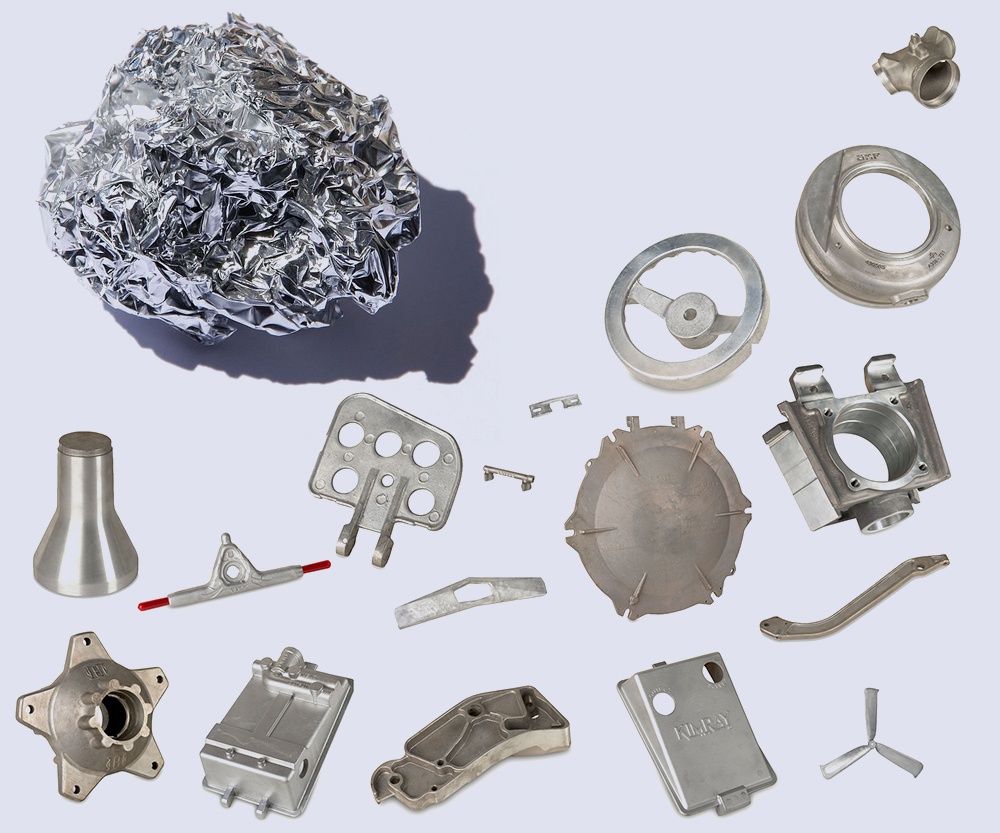
In aerospace engineering, aluminum casting plays a necessary role in developing light-weight components that boost total efficiency. By concentrating on weight decrease methods, makers can improve architectural integrity and gas performance. This strategy not only meets the demands of contemporary air travel but additionally supports sustainability objectives in the sector.
Weight Reduction Methods
A significant focus on weight reduction has come to be a keystone in aerospace design, where every ounce counts towards boosting gas effectiveness and overall performance. Aluminum casting plays an essential duty in attaining these weight decrease techniques. By utilizing advanced alloys and optimized casting techniques, producers can produce lightweight components without compromising strength. Design innovations, such as latticework structures and hollow areas, additionally lessen weight while preserving functionality. The assimilation of computer-aided style (CAD) allows designers to simulate and examine various layouts, ensuring one of the most reliable use of materials. Furthermore, using aluminum's outstanding strength-to-weight proportion makes it possible for the development of lighter aircraft, adding to lower operational prices and decreased environmental impact. These strategies underscore the relevance of aluminum casting in modern-day aerospace applications.
Structural Stability Enhancements
Architectural honesty remains a critical emphasis in aerospace engineering, especially as the demand for light-weight options intensifies. Aluminum casting deals one-of-a-kind advantages in improving architectural stability without endangering weight. Advanced casting techniques permit for the production of complicated geometries, guaranteeing excellent strength-to-weight proportions. Therefore, components such as aircraft structures, engine places, and assistance structures take advantage of the integral longevity of aluminum while preserving lighter arrangements. Additionally, the product's resistance to rust even more enhances longevity and efficiency sought after aerospace environments. These innovations not only enhance the durability of aerospace components but additionally help with the assimilation of advanced layouts, inevitably driving forward the market's commitment to security and effectiveness. Aluminum casting consequently plays a critical duty in progressing aerospace design requirements.
Fuel Effectiveness Improvements
While the aerospace market progressively prioritizes fuel performance, aluminum casting arises as a principal in attaining this goal with light-weight options. By making use of aluminum's low density and high strength-to-weight ratio, producers can noticeably reduce airplane weight, bring about reduced fuel intake. Components such as engine mounts, body structures, and wing frameworks gain from aluminum casting techniques, permitting detailed designs that maintain structural stability while decreasing mass. This decrease in weight not only boosts gas performance yet also reduces greenhouse gas emissions, aligning with global sustainability goals. As aerospace modern technology breakthroughs, the role of aluminum casting in generating cutting-edge, lightweight components will certainly proceed to be necessary, driving further improvements in efficiency and efficiency throughout the industry.
Durable Goods: Cutting-edge Designs and Sustainability
The usage of aluminum casting in durable goods provides considerable benefits, including its environment-friendly material residential or commercial properties that straighten with sustainability objectives. This convenience enables for one-of-a-kind layout possibilities that can improve product appeal and functionality. Furthermore, affordable production methods make aluminum an eye-catching option for makers aiming to stabilize top quality with cost.
Eco-friendly Product Benefits
Eco-friendly materials, specifically in the domain of aluminum casting, are changing consumer products with cutting-edge styles that focus on sustainability. The lightweight nature of aluminum enhances item performance, lowering power usage throughout transportation and use. In addition, aluminum's recyclability greatly reduces waste, permitting producers to adopt circular economic climate concepts. By picking aluminum casting, business can produce sturdy items that preserve visual value while being environmentally accountable. This commitment to sustainability usually reverberates with customers, influencing their purchasing choices and fostering brand commitment. As sectors integrate environmentally friendly techniques, aluminum casting becomes a principal in decreasing carbon footprints, demonstrating that sustainable products can at the same time meet customer demands for innovation and ecological stewardship. Such improvements underscore the growing relevance of eco-conscious choices in today's industry.
Special Style Opportunities
Aluminum casting opens a domain of special layout possibilities that satisfy both technology and sustainability in durable goods. This versatile process enables developers to produce intricate shapes and lightweight frameworks that are frequently unreachable with standard production techniques. The fluidity of liquified aluminum makes it possible for the manufacturing of complex geometries, which can enhance capability while preserving visual allure. Furthermore, aluminum's recyclability adds to sustainable design methods, as products can be crafted with an emphasis on lifecycle monitoring. Developers leverage this flexibility to generate visually striking and ergonomic products, merging type and function perfectly. Consequently, aluminum casting not just fosters creative thinking yet also aligns aluminum casting with modern-day customers' growing need for ecologically liable products.
Affordable Manufacturing Approaches
Electronics Manufacturing: Accuracy Components for Modern Devices
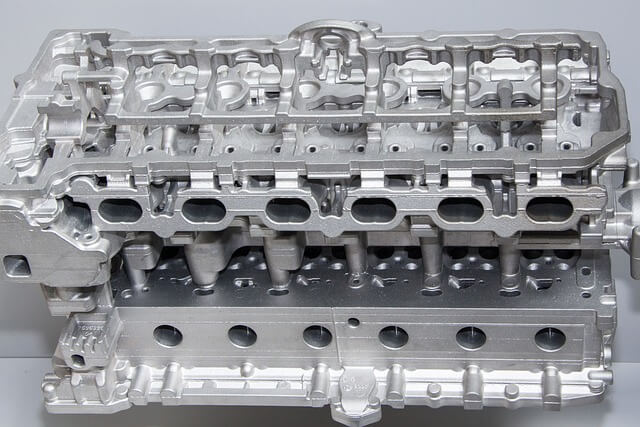
Progressing modern technology needs accurate parts that can endure the roughness of contemporary electronics. Aluminum casting plays a critical role in electronics making, supplying light-weight yet durable components essential for tools such as tablet computers, laptop computers, and mobile phones. The distinct buildings of aluminum, including outstanding thermal conductivity and resistance to corrosion, make it an optimal choice for detailed rooms and heat sinks.
Makers utilize innovative casting methods to accomplish limited resistances and intricate geometries, making certain that every element fits seamlessly within the tool style. This accuracy not just improves efficiency but additionally contributes to energy performance, a crucial factor in the design of modern electronics.
Furthermore, aluminum parts are recyclable, lining up with the market's expanding focus on sustainability. As the need for cutting-edge electronic devices remains to climb, aluminum casting stays a foundation in the growth of high-quality, dependable, and eco-friendly electronic components, driving progression in the innovation industry.
Building and Infrastructure: Long Lasting and Versatile Materials
In the building and construction and facilities markets, a varied variety of materials is vital for developing versatile and durable frameworks. Aluminum casting has actually emerged as a crucial element, using special benefits such redirected here as light-weight homes, deterioration resistance, and convenience of manufacture. Its capacity to stand up to severe ecological conditions makes it a favored option for different applications, consisting of bridges, facades, and building elements.
Additionally, aluminum's recyclability lines up with sustainable building techniques, adding to lowered ecological influence. The product can be quickly formed right into complicated shapes, allowing designers and architects to check out innovative designs without endangering structural honesty. Furthermore, the durability of aluminum spreadings warranties longevity, reducing upkeep expenses and raising the life-span of framework jobs.
As urbanization remains to climb, the demand for reliable products like aluminum casting is set to expand, even more strengthening its duty beforehand building practices and boosting the general quality of facilities.
Emerging Technologies: The Future of Aluminum Casting in Technology
As markets undertaking for better effectiveness and sustainability, arising modern technologies are reshaping the landscape of aluminum casting. Advancements such as additive production, additionally referred to as 3D printing, are revolutionizing standard casting methods. This technology enables the production of complicated geometries with decreased material waste, boosting both efficiency and sustainability. Furthermore, advancements in computer-aided design (CAD) and simulation software application make it possible for designers to enhance styles and predict casting outcomes a lot more precisely, lessening issues and production time.
In addition, the integration of fabricated knowledge (AI) in the casting procedure help in real-time monitoring and predictive maintenance, making sure top quality results and lowering downtime. These innovations not just enhance production but additionally add to the advancement of lighter, more powerful aluminum parts that meet the needs of numerous markets, from automobile to aerospace. As these innovations remain to develop, they guarantee to boost the flexibility and application of aluminum casting in the future.
Regularly Asked Questions
What Are the Environmental Impacts of Aluminum Casting Manufacturing?
Aluminum casting production can lead to significant environmental impacts, consisting of greenhouse gas discharges, power intake, and waste generation. Additionally, inappropriate disposal of by-products and contaminants might damage neighborhood ecosystems and add to air and water air pollution.
Just How Does Aluminum Casting Contrast to Various Other Products in Terms of Cost?
Aluminum casting typically offers an affordable expense contrasted to products like steel and titanium, especially because of its light-weight nature and simplicity of manufacturing. This expense performance makes it a favored choice in several producing industries.
What Precaution Are Needed Throughout Aluminum Casting Processes?
During aluminum casting procedures, necessary safety and security actions include correct air flow, individual safety devices (PPE), training on devices operation, normal upkeep checks, and adherence to safety protocols to avoid accidents and guarantee a safe working setting.
Can Aluminum Casting Be Recycled, and Exactly how?
Yes, aluminum casting can be reused. The procedure entails gathering scrap aluminum, melting it down, and reforming it into brand-new products. This reduces waste and saves power, making aluminum recycling both reliable and eco-friendly.
What Are the Limitations of Aluminum Casting in Certain Applications?
Aluminum casting deals with restrictions including susceptibility to porosity, lowered strength at heats, and problem in achieving elaborate designs. These factors can hinder its application in high-stress atmospheres and accurate design requirements, influencing overall efficiency.
Aluminum casting allows for intricate designs that can enhance aerodynamics, further boosting performance. Components click this site such as engine mounts, fuselage structures, and wing frameworks benefit from aluminum casting techniques, permitting for complex layouts that preserve structural integrity while decreasing mass (aluminum casting). Environment-friendly products, particularly in the domain of aluminum casting, are transforming customer products with ingenious layouts that prioritize sustainability. While aiming for cutting-edge styles and sustainability, makers significantly transform to affordable manufacturing techniques that take advantage of aluminum casting. Aluminum casting encounters constraints including susceptibility to porosity, decreased toughness at high temperatures, and trouble in attaining complex designs